
Learn more about airway health, TMJ disorders, sleep-related breathing conditions, and available treatment options through our educational video library. These videos are designed to help you better understand your condition and feel more confident about your path to improved health.
Impactful Videos
Learn more about airway health, TMJ disorders, sleep-related breathing conditions, and available treatment options through our educational video library. These videos are designed to help you better understand your condition and feel more confident about your path to improved health.
Recognized by Industry Publications
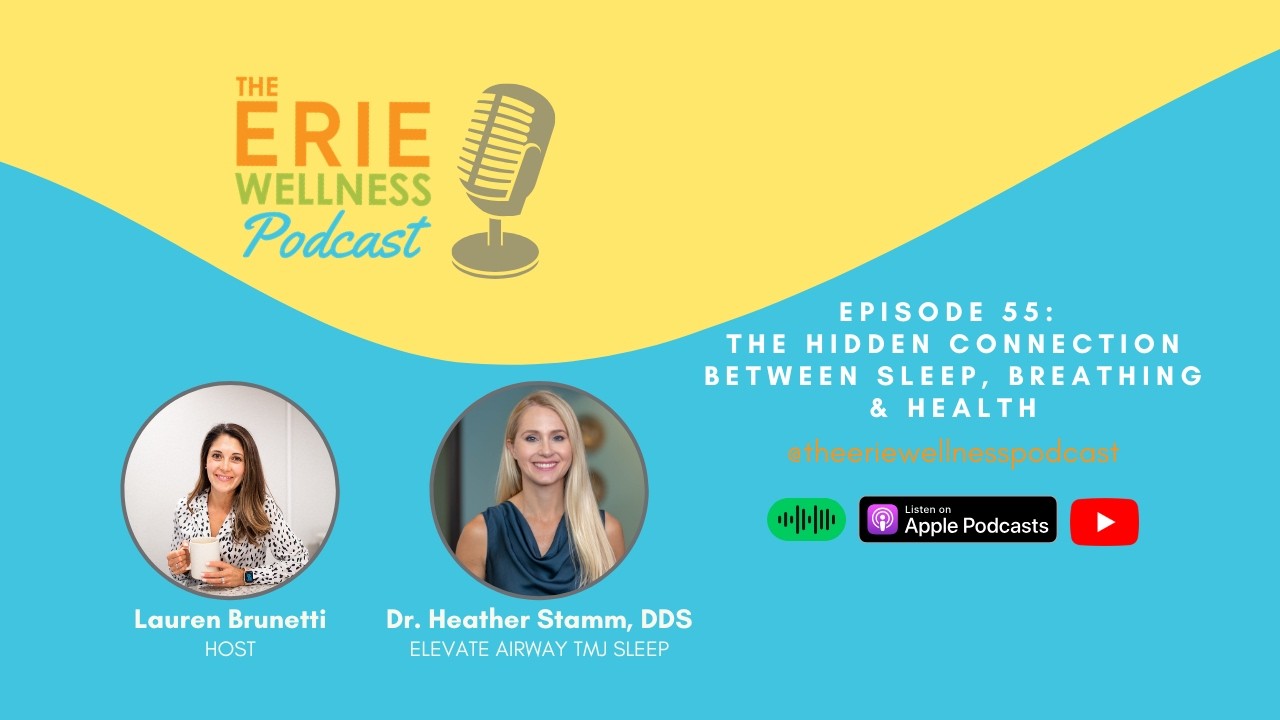


The Hidden Connection Between Sleep, Breathing & Health with Dr. Heather Stamm of Elevate Airway
View Summary
Many people spend years treating symptoms without ever addressing the real problem.
What if the reason you’re exhausted, struggling with brain fog, grinding your teeth, waking up tired, or feeling anxious isn’t simply stress, aging, or being busy?
In this episode, I sit down with Dr. Heather Stamm, founder of Elevate Airway, TMJ & Sleep, to explore the powerful connection between airway health, breathing, sleep quality, and overall wellness.
After more than 25 years in dentistry, Dr. Heather’s own health journey led her to discover how airway dysfunction can impact nearly every aspect of a person’s health—from energy levels and cognitive function to cardiovascular health and emotional wellbeing.
Many people assume it’s normal to feel exhausted, rely on caffeine to get through the day, or wake up feeling unrefreshed. Dr. Heather explains why those symptoms may actually be signs that your body isn’t getting the restorative sleep and oxygen it needs.
Throughout this conversation, we discuss the hidden symptoms of airway dysfunction, how sleep impacts long-term health, and why identifying the root cause can be life-changing for both children and adults.
In this episode, we cover:
- What airway-focused dentistry is
- Common signs and symptoms of airway dysfunction
- Why waking up tired isn’t normal
- The connection between breathing, sleep, and overall health
- Brain fog, anxiety, and fatigue
- Teeth grinding, snoring, and mouth breathing
- Airway concerns in children and adults
- The health risks associated with poor sleep quality
- Why many people go years without getting answers
- When it may be time to seek an airway evaluation
One of my favorite reminders from this conversation:
“Just because something is common doesn’t mean it’s healthy.”
If you’ve ever wondered why you still feel tired despite getting enough sleep—or if you’re curious about the connection between breathing, sleep, and long-term health—this episode is packed with practical insights that could change the way you think about wellness.
View Transcript
And so, but that’s our normal right now in our society for our teenagers. Um,
0:06
but you know, gentally or, you know, breathing and and uh sleepwise,
0:13
snoring is very I get this all the time. Well, yeah, I’ve always snorred, but I feel fine. Um, and
0:22
I just want people to know that that’s their normal, but that’s not necessarily good. If you’re snoring,
0:30
you are not getting as much oxygen to your brain as you could be. And like I
0:37
mentioned before, that can have long-term cognitive effects, heart health effects.
0:50
Welcome back friends to the Eerie Wellness podcast where we explore a wide range of wellness topics, highlight the
0:56
incredible local professionals right here in our community, and encourage you to advocate for your own health and
1:01
well-being. This week’s episode is a part one of a part two series that we’re
1:07
doing um featuring two sisters um Dr. Heather Stam and Dr. Chrissy Stam.
1:12
Together, they’re helping local families better understand the connection between airway health, sleep, breathing, jaw
1:19
development, and overall wellness. So, today I’m joined by Dr. Heather Stam.
1:24
After more than 20 years practicing dentistry, a personal health discovery changed the way she viewed the
1:30
connection between breathing, sleep, jaw development, and overall health, and led her to pursue a deeper airway focused
1:37
approach to dentistry. One of my favorite takeaways from our first discussion that we had um was Dr.
1:45
Heathers often says normal doesn’t always mean healthy. So just because a symptom is common doesn’t mean that it’s
1:51
something we should ignore. If you’ve ever felt tired despite getting enough sleep, wondering if your child’s
1:56
development could be impacted by the way they breathe, or simply want to better understand how airway influences our
2:03
overall wellness, this conversation is for you. Welcome, Dr. Heather. Hi, thank
2:08
you so much for having me. I’m really looking forward to our discussion today. But before we jump
2:15
into airway focused dentistry in particular, I’d love for you to share with our audience about your personal
2:21
story. I know there was a turning point for you during a sleep dentistry course
2:27
where you realized that they were describing symptoms that you had been experiencing. Um so can you share that
2:33
with our listeners? Yeah, I mean for my story, I’ve actually
2:38
almost been in dentistry 25 years now. So, it’s been a while. And with in
2:44
general, I’ve always been passion passionate about learning as much as I possibly can for for my own health, my
2:51
family, but also for my patients. So, I’ve taken many different continuing education courses over the years. and I
2:59
was signed up to take a course from a world-renowned um dentist who was
3:06
focusing more on TMJ function or or dysfunction which I had already been
3:12
practicing with. Um and his class they
3:17
were now relating it to sleep and I thought well that’s interesting. I’ve not heard that before. We didn’t learn
3:22
any of this in dental school. So, I think it was in like 2014. Um, and so
3:29
I’m sitting in the class and it basically just started. Um, he was just listing symptoms.
3:36
Didn’t say why he’s listing symptoms or what to do about it or anything and I just started crying. Um, and my my
3:45
husband’s actually a dentist as well and was sitting next to me and he leaned over and he’s like, “Oh my goodness,
3:50
they’re talking about you.” I’m like, I know. And so, um, I was, you know, I was
4:00
obviously, um, moved by what he was saying, but I I knew whatever I was going to learn in that class was going
4:06
to literally change my life. Thus, it changed how I look at patients, how I
4:13
treated patients from that point on. Um, symptoms I literally was going through
4:19
right at that point in time. you know, I’ve always been a type eight, like you
4:24
know, high go go go person, so stress is just my normal thing. Um, and I had
4:31
younger kids, age, I think four and seven at the time, you know, so you’re you’re like in it as a mom. Um, and I
4:40
was just definitely fatigued and I had related it to well, stress and all that.
4:46
And I’ve always been a light sleeper, what you would coin as a light sleeper. and I was just sleeping even less. Um, I
4:55
would wake up in the middle of the night and I couldn’t fall asleep. And there were times I would even go into the
5:00
office at like 2:00 a.m. cuz I knew I was not going back to sleep, so I might as well get stuff done. So,
5:07
might as well work. Yeah. I mean, obviously that is not healthy long term to sustain. So, I was,
5:13
you know, very tired all the time and just kind of in a fog, so to speak. And
5:20
healthwise, I’d just been diagnosed with hypothyroidism. Um, my thyroid was so bad that my hair
5:27
was actually falling out. So, I was already on the search of like, what the
5:32
heck is going on? And um, and that was what one of the things
5:38
he was listing as a symptom was the hypothyroid. Um and he he listed things of what
5:45
happens when they’re people are younger and what they go through and a lot of things he mentioned um grinding TMJ pain
5:54
um I sucked my thumb that was something else so like it was just crazy he was
5:59
just describing me so um I realized I need to get on this
6:05
because I also learned the importance and obviously my health was already being affected quite drastically. ally
6:12
with my hair falling out. I mean, that’s a I got to an extreme symptom, if that
6:18
makes sense, but I didn’t realize no one that I had seen had put that together
6:24
with poor sleep. Um, so my my journey to amazing sleep, which I do have now,
6:31
wasn’t necessarily easy or fast. It maybe took about four years to fully do
6:37
it. Um, but what’s great is within that four years, I basically did everything,
6:45
tried everything. So, I know what everything all that’s out there for people and I know what it’s like. Um, I
6:54
you you know, I did the basics like use blackout blinds in your room and, you
6:59
know, sleep masks and take melatonin and, you know, things that I could do, right? Then even like I wear blue block
7:07
block glasses at night, you know, um to filter out the yucky lights. Um so I
7:13
I did that very early on and then I tried different like mouth appliances that help move your jaw forward and open
7:21
up your airway back here. And I I did have a sleep study to actually get a
7:27
diagnosis. And I did have a diagnosis of apnea. Um, and I did do blood work. Um,
7:34
that was my like first time with blood work just to really to start helping regulate my hormones because that plays
7:41
a role in um, yucky sleep. And so I was on those journeys. Um, and I just still
7:49
wasn’t getting good sleep. I was still waking up quite a bit. Um, so then I
7:54
went and tried what’s called a CPAC trial where they let you like test out I
8:01
think I tested five different CPAPs of trying to see like if one would work
8:06
because there’s all different kinds out there. None of them worked. Um, and then I went and got nose surgery to help open
8:13
up my nasal passages right here as much as possible. I had had trauma in high
8:18
school. I was hit in the face with a softball, so it caused like collapse in one side. So, I did definitely get some
8:26
benefits from that. Um, but I still knew it wasn’t optimal or enough.
8:33
And I ended up um figuring out that my jaws were just too small um from growth
8:41
and development for any of these treatments to work. So, I actually got jaw surgery, which I was an extreme
8:49
case. Um, most people do not need jaw surgery to to get good sleep. Um, but
8:57
after I had jaw surgery, I sleep great. I realized I had never even knew what a
9:04
good night’s sleep was. Like can’t remember ever because I I had never, you
9:10
know, experienced it. And after the jaw surgery, I experience it now all all the
9:16
time. So I well worth it. And I don’t I
9:22
don’t think it was a waste of time for me to try anything else because you never really want to jump right to
9:28
surgery. And it gave me the opportunity to go through that whole world and
9:33
understand for my patients, you know, have empathy in it, know what everything’s about. And I also know more
9:41
of what to look for of if someone is more likely to need surgery,
9:49
if that makes sense. So, absolutely. I was patient zero
9:56
and then I mean it it just made me see patients differently, treat patients differently. So it helped
10:04
it changed my life of of that aspect as well. Well, sleep is certainly
10:10
important. And if I’m sure there’s a lot of listeners who you’re talking and they’re like, that’s be, you know, and
10:16
we start to give excuses like, “Oh, well, I’m I’m just in the thick of it right now or, you know, I have young
10:24
kids, you know, all these things or I’m my hormones are changing.” But it’s important to kind of just explore what’s
10:30
right for you and what’s going on and how you can help because sleep is so important for our dayto-day. Um,
10:37
yes. But so for anyone who’s never heard of the term airway focused dentistry, um
10:43
what does that actually mean and how is it different than traditional dentistry? Yeah. So I mean airway focused dentistry
10:51
basically is looking at how the mouth, the the tongue, the jaws, your uh facial
10:58
development affects your breathing and your sleep. So like quite simply um you
11:04
know traditional dentistry is historically just looking at the teeth and the gums looking for cavities, gum
11:11
health, maybe how your bite is aligning cosmetic work which all matter are
11:17
important but an airway focused dentistry just takes a step back and
11:23
asks the question is this person well overall the mouth is the gateway to our
11:31
overall health. Um, and so it just starts in that position.
11:36
Okay. What are some of the tests or like evaluations that you do when it comes to
11:42
airway? Yeah, I mean we definitely do a very thorough health history, very thorough
11:48
dental history. Uh, we do sleep screen everyone, which the American Dental
11:54
Association has, um, highly recommended since 2017. So, not every dentist is is
12:01
doing that, but we’ve been doing that for a long time. And so, just in that in
12:07
that you get more of a patient’s story. And, you know, anytime there’s a yes on
12:13
anything, we dive deeper. Um, so that’s like tests, so to speak. But, I mean, it
12:20
also has to do with symptoms. I mean like I I mentioned earlier, everyone’s different
12:27
and there are a lot of symptoms that can be tied to um to sleep or airway issues
12:37
there. With the screening there is, you know, an actual if there’s this many yeses, then this is how awakely you know
12:44
they are. So if the tongue looks like this, if the back of the throat looks like this. So, there are measurements
12:50
that we do as well when looking into the mouth. I don’t know if that helped answer that
12:57
question. No, I was just yeah curious about kind of like what that overall assessment looks like and how it’s a little bit
13:03
different than just like dentist. So, yeah. Yeah. So, what thorough is the
13:09
word? I do have patients, why are you checking all this? And I’m like, yeah. Well, you
13:16
know, it’s the gateway like I said. So, yeah. Yeah. Well, I have a little bit of a personal
13:21
connection. So, our um all three of our children um had lip and tongue tie
13:27
releases and two of ours had to go through myofacial therapy before they would do it. But one of the things that
13:32
our myofacial therapist had mentioned was hundreds of years ago, our diet
13:38
looked different, our environment looked different, and now we’re kind of as a population as a whole,
13:45
we’re seeing smaller mouths and more airway related issues today. So, what’s happening there? And why has our
13:51
modern lifestyle um diet and environment changed the way our jaws and our airways
13:57
have developed compared to generations before us? Yeah, I mean this is quite
14:02
fascinating at least to me. There has been a lot of research and studies for a
14:08
long time like you mentioned and one more popular one is um from Weston A.
14:15
Price who was an anthropologist and actually a dentist uh who followed
14:21
different indigenous um cultures um all over the world and he was really seeking
14:28
is there correlation between diet and and dental health and diet and overall
14:35
health. So uh what he found was um differences were they ate a lot more
14:43
fibrous foods at early ages. Their their breastfeeding you know way of doing it
14:49
was a little different than the more modern culture and this was 1939. So
14:55
this is the modern culture um at the time. Their diet had little to no sugar
15:02
in it. Their diet had no processed food. what whatsoever.
15:07
And what he was finding was again he was a dentist so he found that zero, you
15:14
know, maybe little but really no decay in their mouths.
15:19
All their teeth were straight and coming in and had room and obviously they didn’t have any orthodontic care.
15:27
um and but their overall health was um
15:32
like disease-wise way lower than the modern civilization. So um and I think
15:40
even now we probably eat even less fibrous foods than in 1939.
15:47
Um, I don’t think normal or common is to give you your 2-year-old beef jerky,
15:53
which might be something something like that they were given. We give them, you know, applesauce in a packet. And, you
16:01
know, those puffs as snacks that just disintegrate in their mouths. Like, our
16:06
jaws are literally not working. And bone to grow needs to be stimulated. So,
16:13
we’re supposed to be stimulating our muscles. Um, so I mean that’s one thing he found
16:19
related to our jaws are smaller because they’re not stimulated. Um, and another
16:25
thing is in environmental they you know they didn’t have
16:30
environmental toxins like even in 1939 they were um exposed to and you know we
16:38
now have like more EMF stuff. there’s different things that can uh affect our
16:44
our system in general. And um he noticed that they were more
16:50
nose breathers versus the more modern society was developing more mouth
16:56
breathers and that can come from the toxins. Our body just has to filter
17:01
more. So there was more chronic allergies, problems breathing through the nose. And
17:07
so if you can’t breathe through the nose, it’s hard to be a nose breather.
17:12
So you just start to become a mouth breather. And that actually affects your
17:18
tongue position, which affects how your jaws grow because your tongue should be up on the roof of your mouth. But if
17:25
your tongue your mouth’s open, that’s impossible basically. Um and that tongue
17:31
is not stimulating the muscles and the bone either to grow how it should.
17:37
So our body can you know compensate in many ways and that can be disease which
17:45
was finding um and it can be how the jaws are developing. Well Dr. Heather, you explained that so
17:51
good. And I think that it really gives people an like an idea of like, you know, what’s changed? Why are things
17:58
different? Why are we dealing with this now versus, you know, a hundred years ago
18:03
people people didn’t have this these issues. Um, right. So, but yeah, it explained it so well.
18:09
So, thank you for giving that like little background. Yeah. Just paraphrasing a big story. Yeah.
18:16
Yeah. So, what are the symptoms that patients are coming into you with that may actually point back to airway or
18:22
sleep issues? Yeah. Well, I mean, there’s a broad list. Um, some are, uh, more obvious
18:30
than others. Some obvious ones is, um, if you’re snoring or a bud partner, you
18:35
know, hears you snore or gasping for breath or an actual diagnosis of of
18:41
sleep apnea. Um, jaw pain. people kind of uh are aware that something’s off. If
18:49
they’re having jaw pain, um grinding their teeth, they’re they’re aware of,
18:54
you know, things are off. But less kind of obvious ones would be chronic
19:00
fatigue, um anxiety, this the the stress of the the life, um
19:08
let’s see, grinding, clenching like I mentioned, um dark circles under
19:13
someone’s eyes, um having problems breathing through your nose, suffering from more chronic sinus issues, um
19:23
waking up multiple times at night, waking up to have to use the bathroom. That’s a big sign. Even if it’s just
19:30
once during night, that’s one of those things where it may be common but not
19:35
necessarily good. Um, yeah. So, I mean, kids can look a
19:41
little different and similar. They can also snore and grind, which is a big
19:47
indication. Um, they can have speech issues that might be related to a tongue
19:53
tie. They can sound like they’re breathing loud. Um being more of a mouth
19:59
breather than nose breather. I mean when they go in they might find that their tonsils are big. They might have a lot
20:06
of um history of ear infections. Um bedwedding, night tears.
20:12
Um I’m sure there’s much more. I mean hypothyroidism like ADHD like symptoms.
20:21
So definite um with kids if they’re you know having any issues in school really
20:27
fidgety hard to stay still. So um it’s definitely the ADHD like symptoms.
20:35
Someone comes in they say okay I’m having these symptoms you do an evaluation and then what happens?
20:42
Yeah. So I dive deeper like if if someone says I’m not sleeping through
20:49
the night or you know chronic fatigue or there’s reasons for that like if it is a
20:56
mom is it because they can’t sleep or their their partner’s snoring or their
21:02
one of their kids can’t sleep you know obviously so like I said any symptom yes
21:08
we’re going to dive deeper um and then we take that and we do an oral exam and
21:15
see structurally if there’s anything that could be contributing to that. We
21:21
do imaging that actually measures your airway and there’s different, you know,
21:26
numbers that we’re supposed to to be at ideally. So, but it starts with the
21:32
patient’s story and goes from there.
21:37
When you say airway, yes. How far deep does that go? like um like
21:43
where does it end that your airway? Right. I mean it is kind of all connected. So I mean when we take our
21:49
imaging it’s like a three-dimensional X-ray that goes around your head and it starts in the nose and just follows all
21:55
the way down their sinuses all the way down you know your throat. So we can see
22:02
all of this um and your mouth obviously. So, it’s all connected and
22:08
there could be just one part of it that’s off that’s causing an issue or it
22:13
can be multiple things. So, yeah. Okay. So, I’m going to plug in the listener
22:20
question for this. Oh, so here. Um, so if one of my This came from a
22:25
listener. If one of my kids has airway issues, should I probably be looking at the rest of the family, too? So I guess
22:33
it’s the the question might be like is it a genetic thing? Is it common to see it in multiple people within one family?
22:40
Yeah, it’s a good question and yes, there is a genetic component to it. Um
22:47
just like most things, genetics aren’t everything, but there’s definitely more of a component to it. I see uh parents
22:55
that have small amounts and then it it trickles down to their um kiddos as
23:00
well. And is it environment causing that or the genetics? I I believe it’s a
23:07
combination. But yeah, absolutely. It does not hurt anything to get everyone
23:13
screened. Yeah. Other than sleep, what are some like other things that it’s important to
23:19
bring up? Like your airway is important because one, you’re going to sleep better. Like what are some of the other
23:26
things that you like to talk to your patients about where they can Yeah. you know, have a better quality of life.
23:32
Absolutely. I mean, breathing slash oxygen is foundational to health.
23:38
Like without it, you can’t first of all live. And with with um a decreased
23:46
amount, it mainly affects your cardiovascular self uh health and your
23:52
cognitive health. So the bigger issues um are tied to cardiovascular diseases
24:00
um strokes and then cognitive wise uh dementia and Alzheimer’s. So like those
24:06
are the big ones and our body is really good at compensating um for a while. It
24:14
it’s like I got this, I got this. and we see like the the less obvious symptoms
24:19
like I said, but you’re still able to function, you know, maybe not optimally, but
24:25
you’re still able to go. But then it it’s more of what happens 10 years, 20
24:30
years down the road of that quality of life. Um, and so
24:38
just thinking oxygen is very important. Your body knows this. So it will do
24:45
things in your sleep if you’re not breathing properly to get that oxygen
24:50
that is sending a jolt of epinephrine and waking you up making you grind or
24:57
clench because it actually stimulates these muscles to open up your airway.
25:02
However, it doesn’t let you get to the deep levels of sleep. And the deeper
25:07
levels of sleep is where our body repairs itself from all the damage that
25:14
happened during the day from all the the toxic things, the free radicals that we
25:20
were exposed to. Like it it helps muscle repair, tissue repair, brain repair. And
25:26
so if you’re not getting to that deeper levels, all of that is not getting the
25:31
the repair for kids. It’s where growth happens. um the growth hormones released in that.
25:38
So there can be growth issues related to that.
25:43
Not sure if that makes sense, but it sounds really important like it’s like that is yeah a foundation like you
25:49
said to life. So yes. Yes. It’s not just about sleep, it’s about oxygen.
25:55
Yeah. So what are the common like treatment plans that you’re prescribing to your
26:02
patients? Like how do you get better airway? There’s many different ways um to do it. So, it it definitely depends
26:09
on what we’re we’re finding in there. But simply, if something in the mouth is
26:15
not big enough, then you look at is there a way to make things bigger? Um,
26:21
and we do things called expansion where there’s different actual appliances that
26:27
kids and adults can wear to help expand their actual bones and jaws. And then we
26:35
can move teeth around to also expand. If if your teeth are tipped in like this,
26:41
that that takes um room for your tongue or your tongue just doesn’t have enough room as as it should. And so it’s not
26:48
able to go in the proper place to open up your airway. So if you upright your teeth how they
26:54
they should be actually and not collapsed in, that gives your tongue more space. So that’s something that’s
27:00
fairly easy to do to absolutely give you some some room and that opens your airway. If you’re tongue tied, you can
27:08
have that released. That will also open up your airway. With the X-ray I take, I
27:14
see where the jaw joint position is. If it’s set backwards,
27:20
this this lower jaw here is forced backwards. That’s closing all this airway. So, there’s ways to help your
27:28
jaw relax forward. And there’s different um appliances treatment for that. So, it all depends.
27:36
Sometimes I see a beautiful airway right here. The t the mouth is
27:42
actually wide, but they’re still struggling. And when we do our imaging,
27:47
um, we see that the nose is totally clogged up or deviated so much that it’s
27:54
completely blocking one side to breathe. So, I mean, I work with a lot of different health care providers out
28:01
there. Um, we work closely with ENTs, um, that maybe they need a nose surgery,
28:07
allergists, um, if they’re suffering from chronic allergies. I mean, it could
28:12
be a change in diet, like I said, checking the hormone levels. If all of
28:17
this structurally is okay, then we dive deeper into what else it could be. Um,
28:24
if it is your sleep habits in general, are they um, healthy? And I give all my
28:31
patients a a quick like sheet of healthy sleep habits and what that looks like.
28:37
So I st start with structure because if that’s not where it should be, you’re
28:43
absolutely can have struggle with um breathing and sleeping. Um, and if that
28:50
looks good, then like I said, we dive deeper and I might be referring you to, like I said, an ENT, but maybe a
28:57
chiropractor or physical therapist or a myofunctional therapist because your tongue just doesn’t know where to go. It
29:04
has room to go into the right place, but it just doesn’t know how. So, it’s like a a personal trainer for your for your
29:12
tongue. Um and so yeah, it just depends on again that
29:18
patient’s story and the the imaging is really important. Um not every evens
29:28
don’t have the type of technology we have for imaging. Um the ENT I work with
29:33
is just loves because I send all this imaging with my patients and he can see so much
29:39
more of what’s going on. So, um, it it really helps open your eyes
29:45
like so that you can, you know, look under the hood, so to speak, of the car of truly knowing
29:52
what’s going on. That’s crazy that an ENT doesn’t even know. I actually was shocked as well.
30:03
So, one thing I love and I brought it up in the intro and it’s something that you said during our first conversation
30:09
together was normal doesn’t always mean good. So, can you explain by what you
30:14
mean by that and why so many people may think that their symptoms are just normal life when they could actually be
30:19
signs of deeper issues? Yeah, it’s it’s something I’ve said many
30:25
times over the years, if it’s to my kids or my my patients or even myself. Um
30:30
that, you know, to give an example of not related to to what we’re talking
30:36
about right now, um I just looked it up. The normal
30:42
com like teenager what’s common is they spend seven or more hours on their phone
30:49
right now. And I think most of us can agree that’s not a good thing for for
30:56
various reasons. And so but that’s our normal right now in our society for our
31:01
teenagers. Um but you know gentally or
31:07
you know breathing and and uh sleepwise snoring is very I get this all the time.
31:13
Well yeah I’ve always snorred but I feel fine. Um and
31:20
I just want people to know that that’s their normal, but that’s not necessarily
31:25
good. If you’re snoring, you are not getting as much oxygen to
31:30
your brain as you could be. And like I mentioned before, that can have
31:35
long-term cognitive effects, heart health effects. If you’re snoring, it’s
31:42
a dis form of disruptive sleep. You’re not getting to the deeper stages of sleep. So, which is what I said that
31:49
that filters things that that um of our everyday life. And so, snoring might be
31:56
your normal, but it doesn’t mean it’s good. Um a jaw that pops but has no
32:03
pain. Uh a lot of people I bring that up and they’re like, “Yeah, but it doesn’t hurt. I’ve had it for, you know, 20
32:11
years or as long as I can remember.” and that’s their normal, but that’s not
32:16
good. Every time your jaw pops, it’s dislocating and pulling on that jaw
32:22
joint a certain way. And eventually something will give. And
32:27
so, um, a lot of the symptoms I actually mentioned, you know, is they’re normal
32:34
but not necessarily good. And I I had a patient actually I saw a couple weeks
32:39
ago and she came in for jocking and like I mentioned we do a very thorough health
32:45
history, dental history, sleep, no matter what you come in for. And she had
32:50
some yeses and like I mentioned we go we dive deep into those yeses or yeses. And
32:57
one was uh fatigue and I asked her, you know, tell me more about that. And she
33:03
just laughed and like shrugged it off like, “Well, of course I have fatigue. I have a three and a six-year-old and you
33:11
know, I’m a mom.” And then just stress, you know, like that’s normal.
33:16
And I do dove a little deeper into other yeses. Um, which she had quite a few.
33:22
And I was like, you know, this isn’t this might be normal of what you consider, but it’s actually
33:29
doesn’t have to be your normal. and it and it’s not good for it to be normal
33:34
and there’s things we can do about it. Um, and I did go through that imaging
33:40
with her and I show the patients like I mentioned we we go all the way back and
33:46
I got to her airway where it shows on the screen like a measurement and it it
33:51
it correlates it with colors. Black and red are highly constricted, small. Um,
33:59
blue, greens, and whites are what you want. That’s like the big airway, an optimal airway. And her color, she
34:08
really didn’t have any. It was like a little tiny bit of red and she’s squinting because it’s mostly black is
34:15
what her color is. And then she read the the number that’s right next to it and she just started crying. And you know,
34:22
we just sat with that for a minute and then she looked at me and is like, that’s why I’m going through all
34:28
these issues, isn’t it? Like, yeah, that’s a a big part of it, but there’s things we could do. So, even
34:35
though she was crying, I saw this hope in her eyes and that she had been to
34:41
multiple people for this TMJ pain and no one could help her. Um, and it’s a high
34:47
correlation of of airway issues um, for various reasons, but like she was
34:54
hopeful cuz everything I was going over, we had a pathway of helping her out and
35:00
it was going to help her overall health, not just that TMJ pain. So, that was her normal and what she
35:07
thought, well, yeah, I’m a mom with young kids. Of course I don’t sleep or
35:12
of course I’m tired or, you know, So that’s a good um example.
35:19
Oh, Dr. Heather, that’s so good. And I think a lot of people it’s like light bulb on like just understanding all of
35:25
that. So thank you so much for explaining all of that and those are some really really good examples.
35:31
Yeah. Yeah. Absolutely. And amazing that you’ve been able to provide so many people these like
35:37
answers and it’s you know it’s very rewarding too. Yeah. Because I’ve been there. I I’ve been
35:43
there in my own health journey, so to speak. Um, yeah. So, I it’s it’s kind of my passion
35:51
to put a puzzle like to to solve this for them and like be in it with them.
35:58
And again, it may not be um structural. And because of my nutrition background
36:04
and different things, I can dive deeper into the systemic health as well.
36:09
and working with my my sister, she has other strengths that help patients um
36:15
with stress and different things as well. Right. So, we’re going to be airing Dr. Chrissy’s episode um a little bit later
36:23
on. Um so, can you share like why did you decide to bring her on and why did
36:28
you feel like she would complement your practice? Um,
36:33
I’ve always wanted more of a wellnessbased uh, dental uh, practice and there’s all
36:41
the things I was learning, there’s so much more that’s than teeth that there’s just so much more into it. Um, and she
36:49
had a lot of advanced knowledge. And again, this is all connected. And so a chiropractor working on this and the jaw
36:57
can help in a lot of different ways for my patients. Um and so we decided to to
37:04
team up which is very rare for a dentist and chiropractor to um partner up. Um
37:10
and in that journey she actually went and got her training for a myofunctional
37:15
therapist which helps me learn as well of how the tongue is plays such an
37:22
important role with how we breathe and sleep. Um and so she runs that whole program
37:28
and then she learned about infant tongue ties and she loves working with moms. Um
37:34
and when they’re struggling with breastfeeding that’s something else. So she made me go get training related to
37:40
that which has been very rewarding. Um and we do that a lot and that helps so
37:45
many families. So we we’re just able to really incorporate what I was saying
37:52
like we look at someone as a whole and offer more in-house services so to speak
37:58
to help with that. Well, Dr. Heather, I’m so glad we’ve
38:03
been able to have this conversation and have you on the podcast. for someone who’s listening and feels like this
38:08
conversation has connected a lot of the dots for them, how can people work with you or get in contact with your um
38:14
office? Yeah, I mean absolutely. I think the best way is to go to the website at
38:20
elevateairway.com because we have a lot more um information knowledge of all of
38:28
what you may be struggling through um what if it’s a jaw issues or or sleep
38:34
issues or for kids you know um growth and development issues. Um, and so we
38:42
also break it down into what to look for for your babies, what to look for for
38:48
small kids, teenagers, adults, and so I think that’s very helpful. And we have
38:53
different social media platforms as well. Um and we also offer uh virtual
39:00
consultations which has been um something fairly new for us but patients are really liking it
39:07
because sometime I mean we see people that don’t live by us so that that’s helpful in general and sometimes
39:14
you know if it’s you or you’re a parent you just need a little more clarity of
39:20
is this something that I want to pursue and die further and have that thorough
39:26
evaluation, the imaging, um, and just kind of there’s a lot I can tell just by
39:32
symptoms. Um, and so that’s been something that people like for sure and
39:37
we offer that. And I mean, just something I want to say is, you know, if
39:42
anything we discussed resonated with anyone, you know, you you don’t have to
39:47
push through these symptoms. um that there are things that can be
39:53
done, there are things that can help and you will feel better or your child will
39:59
be better and healthier. And so for you and your loved ones, it’s worth, you
40:04
know, diving deeper and trying to start that journey for them.
40:10
Dr. Dr. Heather, thank you so much for joining us today and for sharing your knowledge and passion for helping
40:16
families and people feel better um understand the connection between airway health, sleep, breathing, and overall
40:22
wellness. And don’t forget that this is a part one of a part two series. Um be
40:28
sure to tune in to our next episode where we continue the conversation with Dr. Chrissy, Heather’s sister, and
40:34
explore how airway health connects to TMJ dysfunction, myofunctional therapy,
40:40
breathing patterns, and nervous system health. And as always, if you enjoyed this episode, please share it with a
40:45
friend, leave a review, and subscribe so you don’t miss the next episode featuring some of the incredible local
40:51
professionals that we have here right here in our community. Thanks again, Dr. Heather. Absolutely. And thank you, Lauren. And I
40:58
mean, that’s so great what you provide to the the local community, and I was blessed to be a part of it.
41:05
All right, friends. Before we wrap up, here’s the part I need to share. This podcast is for educational and
41:11
inspirational purposes only. I’m just your friend behind the mic. Nothing shared on this podcast creates a patient
41:18
relationship with any of our guests or replaces the guidance of your physician, professional coach, or other qualified
41:24
expert. and the views shared by guests are entirely their own and don’t necessarily reflect the beliefs or
41:30
values of the Erie Wellness podcast. My goal is to simply create a space for real, open conversations that help us
41:36
all learn, grow, and feel a little more connected on our wellness journeys. Thanks so much for listening. I’ll see
41:42
you back here next time.
Patient Success Stories
When Jaw Pain Becomes Hard to Ignore
TMJ issues often show up as headaches, facial tension, clenching, or discomfort when chewing or speaking. We take a thoughtful, comprehensive approach to identify the cause and guide treatment that supports comfort and function.
A Small Procedure That Changed Everything
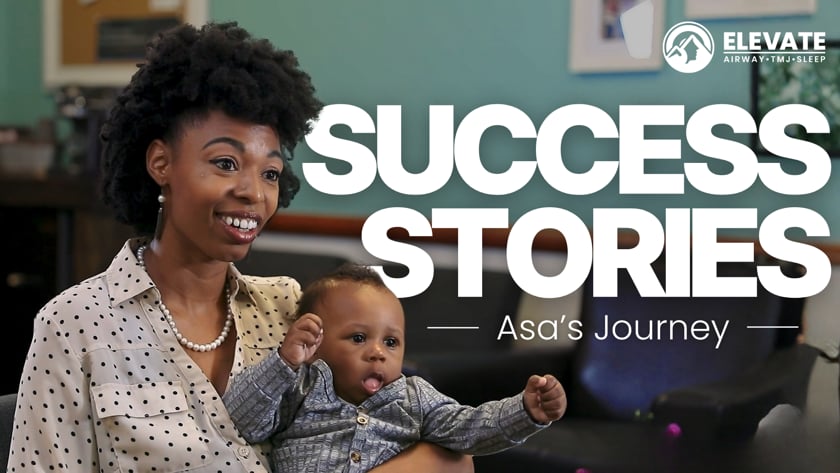
When breastfeeding became painful and exhausting, this mom came to Elevate Airway TMJ Sleep searching for answers for her newborn son’s tongue tie. Under the care of Dr. Stamm, her family found guidance, reassurance, and a treatment plan focused on helping both mother and baby thrive. After laser tongue tie treatment and supportive care, everything changed. Feeding became easier, healing happened quickly, and for the first time, she was finally able to enjoy the bonding experience she had hoped for with her son.
Finally Finding Answers After Years of Jaw Pain
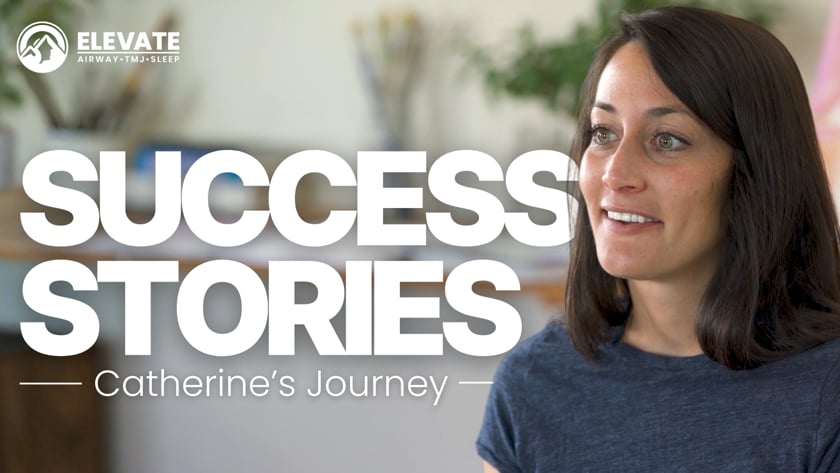
For years, Catherine lived with worsening jaw pain that traced back to dental treatment she received as a child. What began as discomfort eventually became moments of severe pain, locking, and frustration that affected her daily life. When she found Elevate Airway TMJ Sleep, she found more than a treatment plan. She found a team willing to listen closely, look deeper, and approach her care from a whole-person perspective.
Using Invisalign to improve her bite and create proper alignment, Dr. Stamm helped relieve the underlying issues contributing to her jaw pain while restoring both comfort and confidence. Throughout the process, Catherine felt supported, heard, and cared for in a way she had never experienced before. Today, she not only feels relief physically, but also reflects on the emotional transformation that came with finally being understood.
Educational Videos
Creating Healthy Function That Lasts a Lifetime
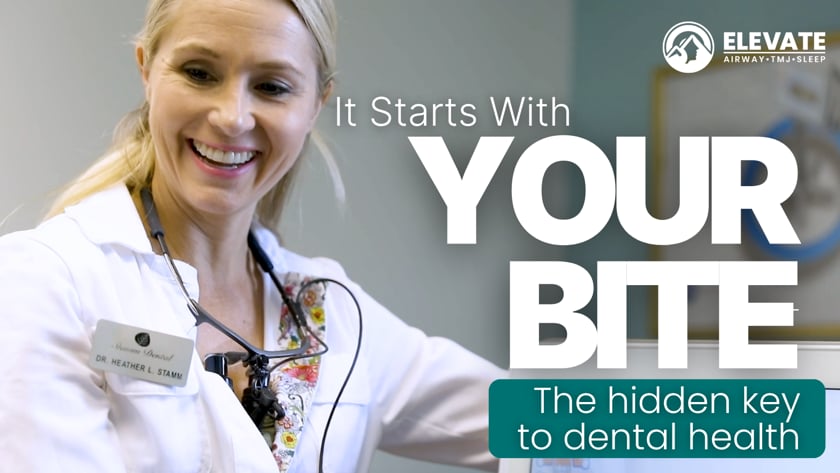
At Elevate Airway TMJ Sleep, Dr. Stamm looks beyond short-term fixes and focuses on helping patients build a healthier foundation for the future. Proper bite alignment plays a critical role in long-term oral function, jaw development, and overall comfort. Through treatments like Invisalign for teens and adults, along with early intervention options like HealthyStart for children, our goal is to guide growth and function in a way that helps patients minimize future problems and enjoy healthier outcomes for decades to come.
Early Guidance Can Make a Lifelong Difference
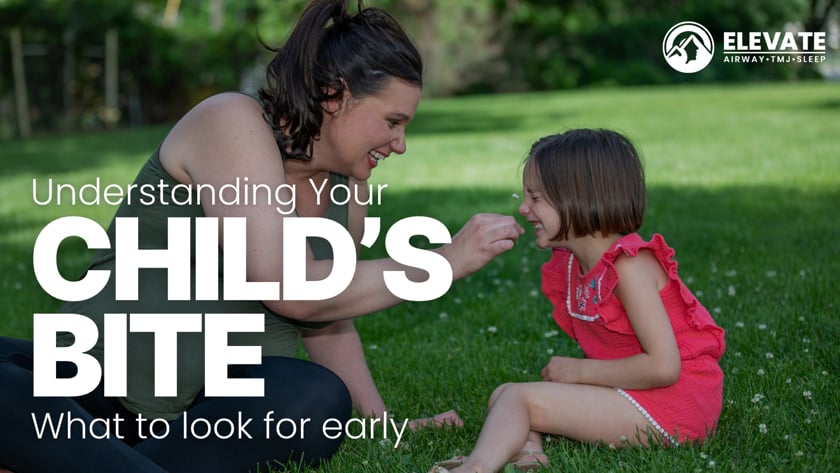
Dr. Stamm believes that addressing bite and jaw development early can have a lasting impact on a child’s future health and function. With HealthyStart, children wear a comfortable nighttime appliance designed to help guide proper jaw growth and tooth alignment while they develop. By supporting healthy growth early on, we can often help children avoid bigger concerns later and set the foundation for healthier breathing, better function, and a more confident future.
Restoring More Than Just Missing Teeth
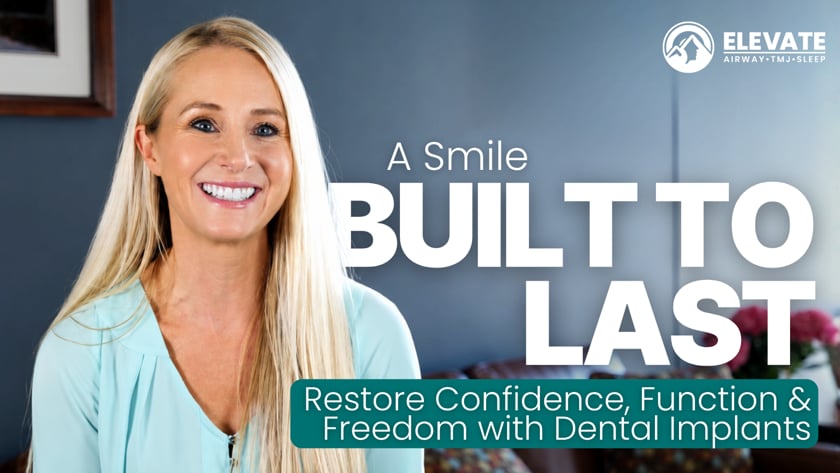
Missing teeth can affect far more than appearance alone. Over time, tooth loss can impact the way you chew, your jaw function, bone health, confidence, and overall quality of life. That’s why Dr. Stamm focuses on long-term solutions that help patients restore both function and stability through advanced dental implant care.
Whether replacing a single missing tooth or creating a more secure full-arch solution, dental implants are designed to help patients eat comfortably, speak confidently, and feel more like themselves again. For many patients, treatment means finally being able to enjoy healthy foods, smile without worry, and move through life without the discomfort or insecurity that missing teeth or loose dentures can create.
Self-Care Isn't What You Think: A Holistic Approach to Health & Wellness
What does self-care really mean?
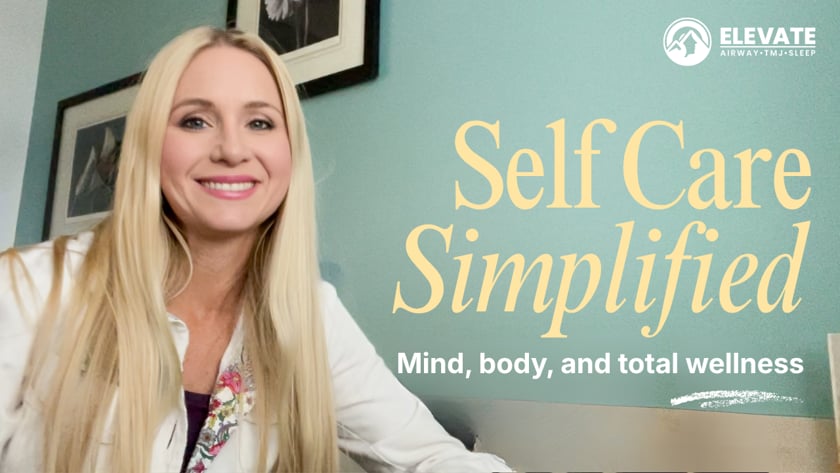
Many people think self-care is expensive, time-consuming, or even selfish. In this video, Dr. Heather Stam shares how true self-care goes beyond spa days and focuses on your mind, body, and soul. From sleep and breathing to confidence and pain relief, discover how small changes can have a big impact on your overall health and well-being.
Watch now to learn how a holistic approach to health can help you feel your best.
Sleep Routine: Simple Habits for Better Rest
A restful night’s sleep doesn’t happen by accident. It’s the result of small, consistent habits that help your body and brain unwind. In this video, Dr. Stamm shares her own nightly routine and the simple tools she uses to prepare for quality sleep.
From reducing light exposure and creating a dark, quiet sleep environment to reading before bed and supporting relaxation with supplements, Dr. Stamm walks through the practices she personally follows each evening. She also explains why mouth taping has become part of her routine to encourage healthy nasal breathing while sleeping.
If you’ve ever wondered how to create a healthier bedtime routine or are looking for practical ideas to improve your sleep, this video offers an inside look at the habits Dr. Stamm uses herself every night.
Build a Stronger Immune System Naturally
Your immune system plays a vital role in protecting your body from illness. While we can’t avoid every virus or bacteria we encounter, we can support our body’s natural defenses through healthy daily habits.
In this video, Dr. Stamm explains the two key components of infection: the germs we come into contact with and the strength of our own immune system. She shares simple, practical ways to build resilience, including eating nutrient-rich foods, prioritizing quality sleep, exercising regularly, staying hydrated, getting adequate vitamin D, and supporting your body with the right supplements.
If you’re looking for natural ways to strengthen your immune system and improve your overall health, this video is a great place to start. And if you’re unsure which steps are right for you, Dr. Stamm and her team are here to help guide you on your wellness journey.
Small Tips That Make a Difference
Dr. Stamm shares these quick tips as simple, clear guidance drawn from what she sees every day in patient care. Each video reflects real conversations and experiences, offering small but meaningful insight into your concerns. The goal is to help you make sense of what you’re noticing and feel more confident about what might help.
Dental Insurance
Invest in Your Health
Healthy Food
Invest Your Refund
Health on a Budget
HSA
Vegetable Recipe
Meet Dr. Stamm
You don’t come to Dr. Stamm because you’re looking for a quick fix.
Patients often find their way here after something hasn’t quite added up, persistent jaw discomfort, breathing or sleep concerns, or a sense that symptoms are being treated without understanding the full picture.
Dr. Stamm takes a step back. She looks at how the airway, jaw, bite, and overall function work together before recommending anything. Her approach is thoughtful, thorough, and grounded in the belief that better outcomes start with better questions.
What patients appreciate most is that she takes the time to explain why something may be happening, not just what to do next.
Meet Dr. Stamm
You don’t come to Dr. Stamm because you’re looking for a quick fix.
Patients often find their way here after something hasn’t quite added up, persistent jaw discomfort, breathing or sleep concerns, or a sense that symptoms are being treated without understanding the full picture.
Dr. Stamm takes a step back. She looks at how the airway, jaw, bite, and overall function work together before recommending anything. Her approach is thoughtful, thorough, and grounded in the belief that better outcomes start with better questions.
What patients appreciate most is that she takes the time to explain why something may be happening, not just what to do next.
Meet Dr. Chrissy
Dr. Chrissy has a way of making complex concerns feel manageable.
Whether she’s working with parents navigating feeding or development questions, or adults dealing with long-standing sleep or jaw issues, her focus is always the same, helping patients feel heard, informed, and supported.
She believes care should feel collaborative, not rushed. That means listening carefully, explaining options clearly, and guiding patients through decisions with honesty and empathy.
Patients often say they leave their visit feeling relieved, not because everything is “fixed” that day, but because they finally understand what’s going on.
Meet Dr. Chrissy
Dr. Chrissy has a way of making complex concerns feel manageable.
Whether she’s working with parents navigating feeding or development questions, or adults dealing with long-standing sleep or jaw issues, her focus is always the same, helping patients feel heard, informed, and supported.
She believes care should feel collaborative, not rushed. That means listening carefully, explaining options clearly, and guiding patients through decisions with honesty and empathy.
Patients often say they leave their visit feeling relieved, not because everything is “fixed” that day, but because they finally understand what’s going on.